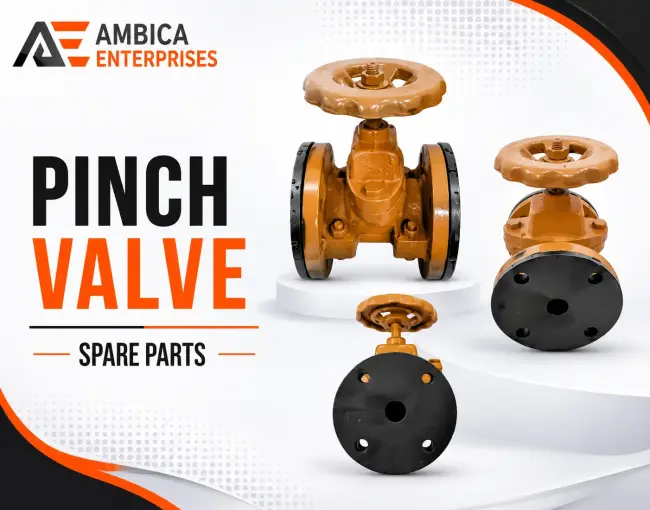
A pinch valve is a specialized flow control device designed to regulate or completely stop the movement of liquids, slurries, powders, and abrasive materials by pinching a flexible sleeve or tube. Unlike conventional valves that rely on metal components to obstruct flow, a pinch valve operates by compressing a pinch valve sleeve, ensuring the media only comes into contact with the sleeve itself.
A pinch valve for a sand blasting machine is designed to accurately control the flow of abrasive media such as sand, steel grit, aluminum oxide, and glass beads during blasting operations. It uses a durable rubber sleeve that is compressed to regulate or stop the flow, ensuring minimal wear since the abrasive material only comes into contact with the sleeve. This design provides reliable performance, longer service life, reduced maintenance, and consistent blasting efficiency. It is widely used in sand blasting equipment, shot blasting systems, foundries, surface preparation plants, and other industrial abrasive handling applications.
This unique operating mechanism makes pinch valves highly reliable in industries where abrasive, corrosive, or delicate materials need to be handled without contamination. From mining and wastewater treatment to pharmaceuticals and food processing, pinch valves have become an essential solution for efficient flow control.
How Does a Pinch Valve Work?
The working principle of pinch valve is simple yet highly effective. A flexible rubber or elastomer sleeve is installed inside the valve body. When external pressure is applied either manually, pneumatically, or electrically, the sleeve is pinched shut, stopping the flow. Once the pressure is released, the sleeve returns to its original shape, allowing unrestricted flow.
Since there are no internal mechanical parts exposed to the process abrasive blasting media, pinch valves experience less wear and require minimal maintenance compared to traditional valve designs.
Types of Pinch Valves
Selecting the right valve depends on the application, operating conditions, and automation requirements. Below are the most common types of pinch valves used across industries.
Manual Pinch Valve
A manual pinch valve is operated using a handwheel or lever that mechanically compresses the flexible sleeve. It is an economical option for applications where automation is not necessary.
Manual Pinch Valve Advantages
- Simple installation
- Cost-effective
- Easy operation
- Low maintenance
- Suitable for small-scale industrial systems
Manual pinch valves are commonly found in laboratories, chemical plants, and small production facilities.
Pneumatic Pinch Valve
A pneumatic pinch valve uses compressed air to control the opening and closing of the flexible sleeve. It is ideal for automated systems requiring quick response and reliable performance.
Pneumatic Pinch Valve Benefits
- Fast actuation
- Remote operation
- Excellent for abrasive media
- Long service life
- Reduced maintenance costs
Industries such as mining, cement production, wastewater treatment, and bulk material handling extensively use pneumatic pinch valves for continuous operations.
Solenoid Pinch Valve
A solenoid pinch valve utilizes an electromagnetic solenoid valve actuator to pinch the flexible tube. These valves are widely used where precision and rapid switching are essential.
Common Applications of Solenoid Pinch
- Medical equipment
- Laboratory instruments
- Biopharmaceutical manufacturing
- Beverage dispensing systems
- Analytical equipment
Solenoid pinch valves are particularly useful when sterile operation is required because only the tubing comes into contact with the fluid.
Benefits of Using a Pinch Valve
Modern industries increasingly prefer pinch valves due to their outstanding operational advantages.
- Excellent Abrasion Resistance: Because only the flexible sleeve contacts the media, pinch valves can efficiently handle abrasive slurries, garnet abrasive sand, and solid particles.
- Leak-Free Operation: The elastic sleeve provides a tight shutoff, reducing leakage and improving process efficiency.
- Low Maintenance: With very few moving parts, pinch valves experience less wear, resulting in reduced maintenance requirements and lower operating costs.
- Corrosion Resistance: The sleeve material can be selected according to the process media, making pinch valves suitable for corrosive chemicals and aggressive fluids.
- Minimal Pressure Loss: When fully open, the sleeve provides a straight-through flow path that minimizes turbulence and pressure drop.
A pinch valve for sand blasting is specifically designed to regulate the flow of abrasive media such as sand, steel grit, aluminum oxide, copper slag, and other blasting materials. Traditional valves often wear out quickly in blasting systems due to constant exposure to abrasive particles.
Pinch valves overcome this challenge by allowing only the replaceable rubber sleeve to contact the blasting media. This significantly extends equipment life while reducing maintenance costs and operational downtime. Sand blasting equipment manufacturers frequently recommend pinch valves because of their reliability under demanding operating conditions.
Pinch Valve Price
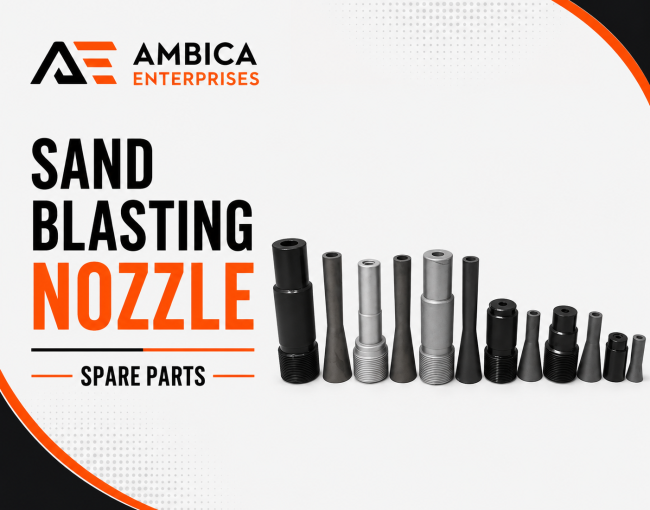
The pinch valve price depends on factors such as valve size, body material, sleeve type, operating pressure, and actuation method (manual or pneumatic). For the best pinch valve price and customized solutions, request a quote based on your application and technical requirements. Our pinch valve price is low compared to others. We also provide sand blasting machine spare parts such as sand blasting nozzle, sand blasting hose, solenoid valve, mushroom valve, remote control valve, deadman handle, remote control hose, sand blaster suction hose, and sand blasting hose assembly, etc.
Choosing Reliable Pinch Valve Manufacturers
Selecting experienced pinch valve manufacturers is essential for ensuring long-term performance and product reliability.
When evaluating manufacturers, consider the following factors:
- Product quality certifications
- Industry experience
- Material options
- Customization capabilities
- Technical support
- Testing standards
- Global supply network
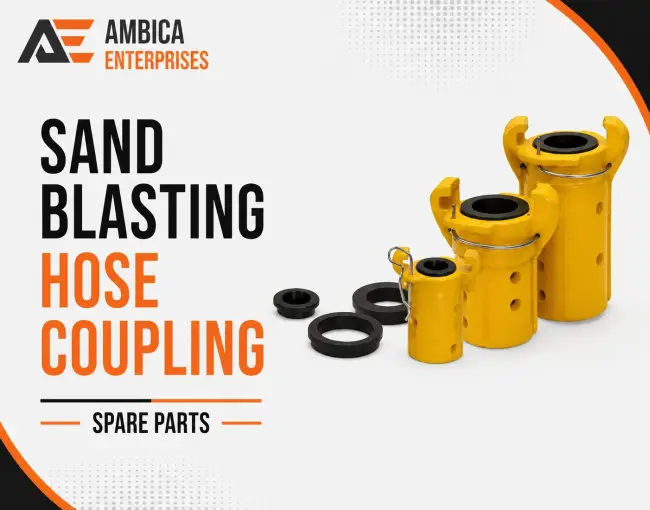
A trusted manufacturer provides valves engineered for specific industrial applications while ensuring consistent quality and dependable after-sales service. We are also a manufacturer of a wide range of sand blasting machine spare parts, including pinch valve, pinch valve sleeves, sand blasting nozzles, air filter regulators, solenoid valves, mushroom valves, remote control valves, deadman control handles, remote control hoses, abrasive blasting hoses, sand blasting hose couplings, and other essential components.
Importance of Trusted Pinch Valve Suppliers
Working with reliable pinch valve suppliers offers several advantages beyond simply purchasing equipment.
Professional suppliers can assist with:
- Product selection
- Technical consultation
- Installation guidance
- Spare sleeve availability
- Inventory management
- Fast delivery
- Maintenance support
Choosing an experienced supplier helps minimize operational interruptions and ensures the correct valve configuration for your application.
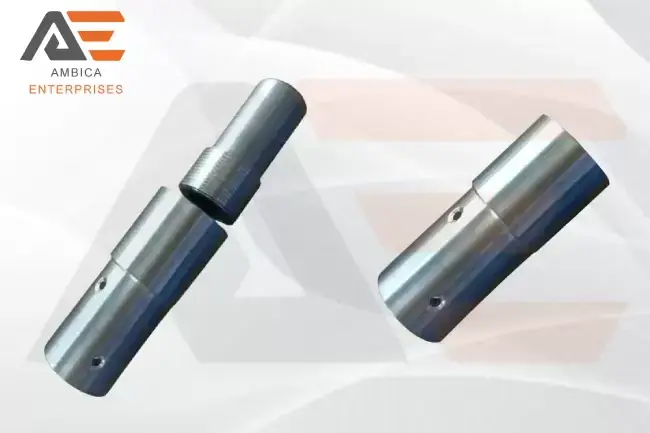
We are one of the best pinch valve manufacturers in India and suppliers of sandblasting nozzles, nozzle holders, sand blasting hose, abrasive blasting hose, shot blasting hose, grit blasting hose, deadman sand blasting hose, sand blasting air hose, and abrasive blasting hose couplings worldwide. A pinch valve is one of the most effective flow control solutions for handling abrasive, corrosive, and sensitive media across various industries. Whether you need a manual pinch valve for simple operations, a pneumatic pinch valve for automated industrial systems, or a solenoid pinch valve for precision applications, choosing the right valve can significantly improve operational efficiency.